The Naked Truth About What’s Trending in Weight Loss This Summer 2026
July 13, 2026

By Dr. Jed H. Horowitz, MD, FACS
Newport Beach Plastic Surgeon
Pacific Center for Plastic Surgery
Orange County, California
What Patients Need to Know About Weight Loss Medications, Body Changes, and the New Era of Weight Management
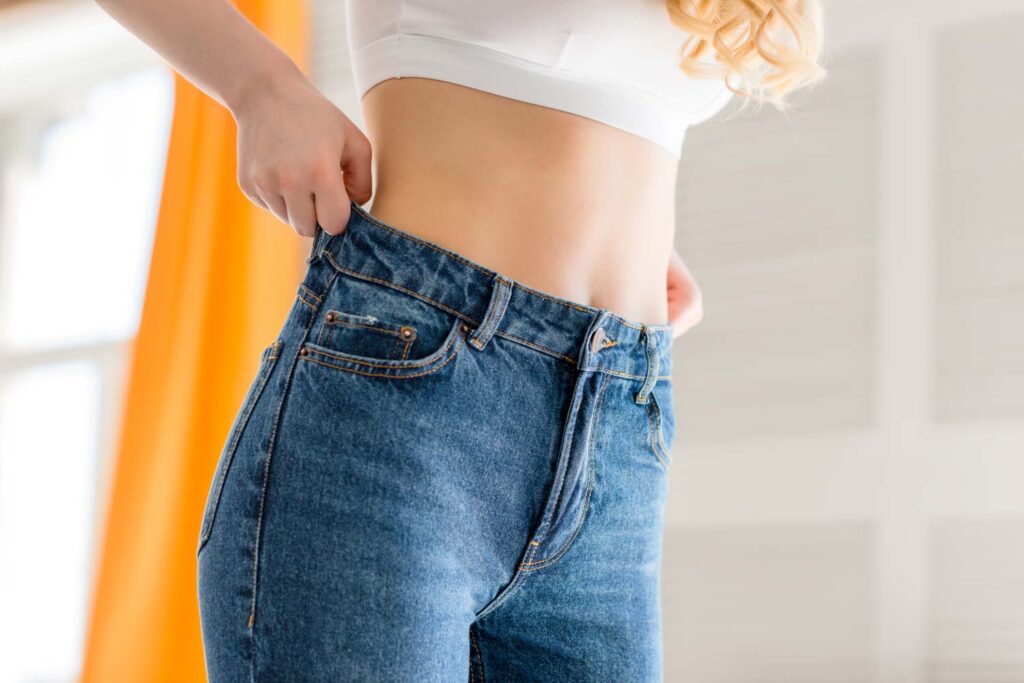
The Weight Loss Revolution has Entered a New Phase
During the past several years, weight loss has undergone one of the most dramatic transformations in modern medicine. For decades, patients relied on traditional diets, exercise programs, meal replacement plans, and appetite suppressants that often produced only modest or short-lived results. Today, a new generation of medications is helping patients achieve weight loss that was previously difficult to attain without bariatric surgery.
Many patients are now losing 15%, 20%, or even 30% of their body weight with physician-supervised medical weight loss programs. While these results can dramatically improve health, confidence, and quality of life, they have also introduced a new set of challenges that few patients anticipate when they begin their weight-loss journey.
At Pacific Center for Plastic Surgery and BioSpa Medical Spa, we are seeing increasing numbers of patients who have successfully lost weight but are now concerned about loose skin, facial aging, breast deflation, muscle loss, and body contour changes. As a result, the conversation surrounding weight loss has evolved. Patients are no longer asking only how to lose weight. They are asking how to lose weight safely, preserve muscle, maintain a youthful appearance, and achieve a healthy, balanced result.
The Naked Truth™ is this: weight loss medications can be life-changing, but the best long-term outcomes require much more than simply taking a prescription.
A Dual-Action Medication Continues to Lead the Conversation
One of the most discussed medications in obesity medicine this summer is a dual-action GLP-1/GIP receptor agonist. Unlike earlier medications that primarily targeted a single hormone pathway, this option acts on both GLP-1 and GIP receptors. This dual-action approach appears to enhance appetite control, improve blood sugar regulation, and support substantial weight loss in many patients.
Patients are attracted to this medicine because it is administered only once weekly and can significantly reduce food cravings while helping them feel fuller for longer periods. Many individuals who previously struggled with constant hunger describe the medication as helping them regain control over their eating habits.
However, the reality is that this option is not a magic solution. While it can be remarkably effective, successful long-term maintenance still depends on lifestyle modifications, adequate protein intake, resistance training, and ongoing medical supervision. Patients who rely solely on medication without developing healthy habits may find maintaining their results more difficult over time.
A Triple-Action Medication: The Next Potential Breakthrough
Among obesity specialists, few medications are generating more excitement than an investigational triple hormone receptor agonist. Although it does not yet have an approved brand name and is still undergoing clinical investigation, early studies have produced some of the most impressive weight-loss results ever reported in obesity medicine.
It is known as a triple hormone receptor agonist because it activates GLP-1, GIP, and glucagon receptors simultaneously. This unique mechanism may allow for even greater weight reduction than current therapies. In some studies, participants achieved weight loss approaching levels traditionally associated with bariatric surgery.
These results are encouraging, but it is important to remember that this medicine remains investigational. Long-term safety data are still being collected, and additional clinical trials are necessary before physicians fully understand its benefits and limitations. For now, experts remain cautiously optimistic while awaiting further research and regulatory review.
The Growth of Oral Weight Loss Medications
Not every patient is comfortable with injections. As a result, pharmaceutical companies are investing heavily in the development of oral weight-loss medications that offer the convenience of a daily pill rather than a weekly injection.
Oral GLP-1 therapies may make medical weight loss more appealing to patients who have avoided injectable medications. The convenience factor alone could significantly increase the number of people seeking treatment for obesity and weight management.
Despite these advantages, oral medications present unique challenges. Absorption can vary from patient to patient; some individuals may still experience gastrointestinal side effects, and cost remains an important consideration. Nevertheless, oral therapies are expected to become an increasingly important part of obesity treatment during the next several years.
The Social Media Trend of GLP-1 Microdosing
One of the fastest-growing trends appearing on social media involves what many users refer to as “microdosing” GLP-1 medications. In these cases, patients use smaller-than-standard doses in an attempt to reduce appetite modestly, minimize side effects, or maintain previous weight loss.
Although the concept has attracted significant attention online, scientific evidence supporting microdosing remains limited. There is currently no universally accepted protocol, and approaches vary widely among providers and patients. Individuals considering this strategy should do so only under the guidance of an experienced physician familiar with obesity medicine and medication management.
Why Muscle Preservation Has Become So Important
Perhaps the biggest shift in obesity medicine this year is the growing focus on preserving muscle during weight loss. Physicians are increasingly concerned that some patients may lose valuable lean body mass along with unwanted body fat.
Rapid weight loss can lead to decreases in muscle mass, reduced strength, lower metabolic rate, and, in older patients, an increased risk of frailty. As a result, experts are emphasizing the importance of body composition rather than simply focusing on the number displayed on a scale.
Current recommendations often include consuming adequate protein, participating in resistance training, performing strength-focused exercise, and monitoring body composition throughout treatment. Many obesity specialists now view muscle preservation as one of the most important predictors of long-term success.
The goal is no longer simply to become lighter. The goal is to become healthier, stronger, and metabolically healthier while achieving sustainable weight loss.
The New Cosmetic Side Effects of Weight Loss
As plastic surgeons, we are witnessing an entirely new category of aesthetic concerns resulting from significant weight loss. While many patients are thrilled with the improvement in their health and reduction in body weight, they are often surprised by changes in their face, breasts, buttocks, and skin quality. In many cases, patients tell us they feel healthier than ever but look older than they expected. These concerns have become so common that terms such as “Weight Loss Face” and “Weight Loss Butt” have entered everyday conversations.
Weight Loss Face: Why Some Patients Look Older After Losing Weight
One of the most frequently discussed side effects of rapid weight loss is facial volume loss, commonly referred to as “Weight Loss Face.” Although the medication itself does not directly cause facial aging, and significant weight reduction often decreases the natural fat that supports youthful facial contours.
Patients may notice hollowing of the cheeks, deepening of the nasolabial folds, increased prominence of jowls, and greater neck laxity. Because facial fat naturally diminishes with age, rapid weight loss can accelerate the appearance of aging, particularly in patients over 40.
Fortunately, various treatment options are available. Non-surgical approaches include dermal fillers, collagen-stimulating biostimulators, PRF treatments, and regenerative fat grafting. Patients with more significant facial aging may benefit from facelift surgery, neck lift surgery, or a combination of facial rejuvenation procedures. The key is restoring balance and natural volume rather than creating an overfilled appearance.
Weight Loss Breasts: Breast Deflation After Weight Loss
Breast tissue contains a significant amount of fat. When substantial weight loss occurs, the breasts frequently lose volume along with the rest of the body. Many women describe their breasts as appearing deflated, flatter, or less youthful following successful weight loss.
The amount of change varies from patient to patient, but common concerns include upper-pole emptiness, loss of fullness, increased breast sagging, and decreased cleavage. Women who have experienced pregnancy, breastfeeding, or previous weight fluctuations may notice these changes even more dramatically.
Treatment options depend on individual goals. Some women prefer breast augmentation to restore lost volume, while others require a breast lift to reposition descended breast tissue. Many patients achieve the best results through a combination of breast lift and augmentation procedures. Fat transfer to the breasts may also be appropriate for carefully selected patients seeking modest enhancement using their own tissue.
Weight Loss Butt: When Weight Loss Affects Body Curves
Rapid weight loss also commonly affects the buttocks. Because fat contributes significantly to buttock shape and projection, patients often experience flattening, loss of volume, and skin laxity following major weight reduction.
Some patients are pleased with the overall reduction in body size but become frustrated when their curves disappear. The buttocks may appear less youthful, less projected, or disproportionate to the rest of the body.
Depending on the degree of volume loss, treatment options may include fat transfer procedures, body contouring surgery, skin tightening treatments, or regenerative volume restoration using newer technologies. The goal is often to restore natural body proportions rather than to create exaggerated enhancements.
Loose Skin Has Become One of the Most Common Complaints
While weight loss medications can help patients achieve remarkable reductions in body weight, they cannot tighten skin. As a result, loose skin has become one of the most common reasons patients seek consultation after significant weight loss.
The abdomen remains the most frequently affected area, but excess skin can also develop on the arms, thighs, breasts, neck, back, and buttocks. The severity of skin laxity depends on several factors, including age, genetics, sun exposure, smoking history, duration of obesity, and the total amount of weight lost.
For patients with mild skin laxity, non-surgical treatments such as radiofrequency skin tightening, ultrasound-based therapies, collagen stimulators, and regenerative treatments may provide modest improvement. However, patients with substantial excess skin often require surgical correction to achieve meaningful improvement.
Procedures such as tummy tuck surgery, arm lifts, thigh lifts, breast lifts, lower body lifts, and facial rejuvenation procedures remain the gold standard for addressing significant skin redundancy. In many cases, patients report that body contouring surgery represents the final stage of their weight-loss journey.

Hair Loss After Weight Loss
Hair loss has become one of the most searched topics associated with GLP-1 medications and rapid weight reduction. Fortunately, the medications themselves are not usually the direct cause. Instead, hair loss often results from the physiological stress associated with rapid weight loss and nutritional deficiencies.
Patients may experience a temporary shedding process known as telogen effluvium, which typically occurs several months after substantial weight reduction. Contributing factors may include inadequate protein intake, iron deficiency, vitamin deficiencies, stress, hormonal changes, and rapid calorie restriction.
Most cases improve over time, particularly when nutritional deficiencies are corrected. Adequate protein intake, vitamin supplementation, laboratory monitoring, and physician supervision are important components of prevention and treatment.
The Rise of Body Recomposition
One of the most important shifts occurring in modern weight management is the movement away from focusing solely on pounds lost. Instead, physicians and patients are increasingly focusing on body recomposition.
Body recomposition refers to reducing excess body fat while preserving or even increasing lean muscle mass. Patients are no longer asking simply, “How much weight can I lose?” They are asking, “How can I lose fat while maintaining strength, energy, and a youthful appearance?”
Achieving this balance requires a comprehensive strategy that may include medical weight loss, adequate protein intake, resistance training, nutritional counseling, body composition analysis, skin tightening treatments, and aesthetic procedures when appropriate.
The goal is no longer simply becoming thinner. The goal is to become healthier, stronger, and more confident.
What Happens When You Stop GLP-1 Medications?
One of the most important questions patients ask is whether weight will return after stopping weight loss medications.
The reality is that obesity is increasingly recognized as a chronic medical condition. When treatment is discontinued, the biological drivers that contribute to weight gain often remain active. Appetite may increase, metabolism may adapt, and weight regain can occur.
This does not mean patients are destined to regain all of their weight. Long-term success often follows when patients combine medication with sustainable lifestyle changes, strength training, nutritional support, and ongoing physician guidance.
Patients considering GLP-1 therapy should understand that these medications are often most effective when viewed as part of a long-term health strategy rather than a temporary quick fix.
The Future of Weight Loss
The future of weight loss appears extraordinarily promising. Researchers are actively developing new medications that may provide even greater fat reduction while minimizing muscle loss and reducing side effects.
Future treatments are expected to become increasingly personalized based on genetics, metabolic factors, body composition, and individual treatment goals. Combination therapies may allow physicians to tailor treatment plans more precisely than ever.
At the same time, there is growing recognition that successful weight management extends beyond simply lowering body weight. The future will likely focus on preserving muscle, maintaining metabolic health, protecting appearance, and supporting long-term quality of life.
Frequently Asked Questions
What is the most effective weight loss medication available in 2026?
A dual-action GLP-1/GIP receptor agonist currently produces some of the most impressive weight-loss results among FDA-approved medications, although investigational drugs such as a triple hormone receptor agonist are generating considerable excitement.
What causes Weight Loss Face?
Weight Loss Face results from facial fat loss associated with rapid weight reduction rather than the medication itself.
Can facial aging from weight loss be corrected?
Yes. Fillers, fat grafting, biostimulators, facelift surgery, and neck lift surgery can often restore youthful contours.
Why do my breasts look smaller after losing weight?
Breasts contain fat, and weight loss frequently reduces breast volume and fullness.
Can loose skin tighten naturally?
Mild skin laxity may improve, but significant excess skin often requires surgical treatment.
What is the best treatment for loose abdominal skin?
A tummy tuck remains the gold standard for significant abdominal skin excess.
Why am I losing hair after losing weight?
Rapid weight loss, protein deficiency, iron deficiency, and physiological stress can contribute to temporary hair shedding.
Is muscle loss common with GLP-1 medications?
Yes. Some lean body mass loss can occur, making resistance training and adequate protein intake important.
Can I regain weight after stopping GLP-1 medications?
Yes. Weight regain is common if lifestyle modifications are not maintained.
What is body recomposition?
Body recomposition focuses on reducing fat while preserving or increasing muscle mass.
Are oral weight loss medications available?
Several oral therapies are available, and additional medications are currently in development.
Is bariatric surgery still relevant?
Absolutely. Bariatric surgery remains an important treatment option for many patients with severe obesity.
What procedures are most commonly requested after major weight loss?
The most common procedures requested after major weight loss include tummy tuck, breast lift, arm lift, thigh lift, facelift, neck lift, and body contouring.
Can fat transfer help after weight loss?
Yes. Fat transfer can restore volume to the face, breasts, buttocks, and other areas affected by weight loss.
About Dr. Jed Horowitz
Dr. Jed Horowitz is a board-certified plastic surgeon and Fellow of the American College of Surgeons specializing in aesthetic plastic surgery, body contouring, facial rejuvenation, breast surgery, and post-weight-loss reconstruction. He practices at Pacific Center for Plastic Surgery and BioSpa Medical Spa in Newport Beach, California, where he helps patients achieve natural-looking results through a combination of surgical expertise, regenerative medicine, and advanced aesthetic technologies.
For more than three decades, Dr. Horowitz has helped patients address the physical changes associated with aging, pregnancy, weight fluctuations, and massive weight loss. His philosophy emphasizes individualized treatment plans, patient education, and achieving results that appear natural rather than operated upon.
References
American Society of Plastic Surgeons (2025) Plastic Surgery Statistics Report. Arlington Heights, IL: ASPS.
American Society for Metabolic and Bariatric Surgery (2025) Clinical Practice Guidelines for Obesity Treatment. Gainesville, FL: ASMBS.
Aronne, L.J. et al. (2025) ‘Emerging therapies for obesity management’, New England Journal of Medicine, 392(4), pp. 301–315.
Daneshgaran, G. et al. (2025) ‘Ozempic Face in Plastic Surgery: A Systematic Review’, Aesthetic Surgery Journal Open Forum.
Jastreboff, A.M. et al. (2022) ‘Tirzepatide once weekly for the treatment of obesity’, New England Journal of Medicine, 387(3), pp. 205–216.
Lilly Research Laboratories (2025) Retatrutide Clinical Development Program Update.
NewBeauty (2025). ‘How to Address Ozempic Face Without Surgery’. Available at: NewBeauty.com.
NewBeauty (2025) ‘A New Study Suggests Ozempic Face Isn’t Inevitable’. Available at: NewBeauty.com.
NewBeauty (2024) ‘You Lost the Weight—Now What? Post-Weight Loss Body Changes and Treatments. Available at: NewBeauty.com.
Obesity Medicine Association (2025). Obesity Algorithm® and Clinical Practice Statements.
Vogue (2025) ‘First Came Ozempic Face. Now People Are Dealing With Ozempic Hair and Muscle Loss’. Available at: Vogue.com.
Wilding, J.P.H. et al. (2021) ‘Once-weekly semaglutide in adults with overweight or obesity’, New England Journal of Medicine, 384(11), pp. 989–1002.
World Obesity Federation (2025) Global Obesity Report 2025.