The Naked Truth About Exosomes
May 15, 2026
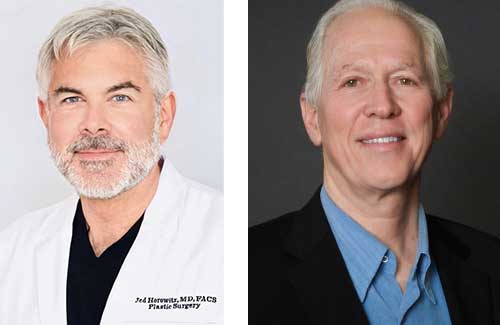
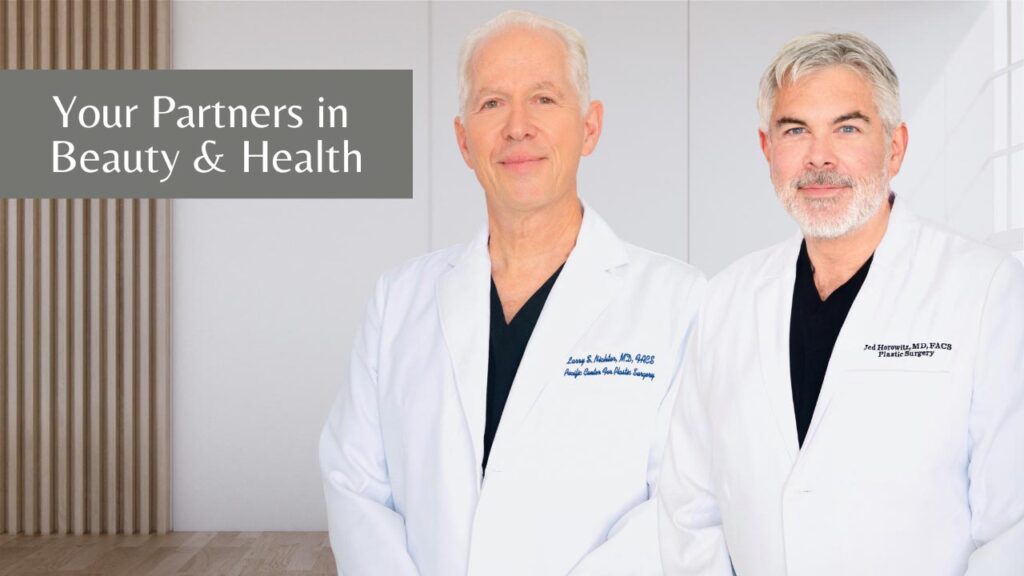
By Dr. Jed H. Horowitz & Dr. Larry S. Nichter
Board-Certified Plastic Surgeons
Pacific Center for Plastic Surgery
Newport Beach, Orange County, California
What you really need to know about Exosomes before trying this trending treatment!
Exosomes: The Future of Regenerative Medicine, Or Not?
In luxury aesthetic markets like Newport Beach, innovation moves quickly, and few treatments have generated as much buzz as exosomes.
Often described as “the future of regenerative aesthetics,” exosomes are being used in skin rejuvenation, microneedling, and even longevity treatments.
But according to board-certified plastic surgeons at Pacific Center for Plastic Surgery:
“The science is promising—but the clinical reality is still evolving.”
So Exactly What Are Exosomes?
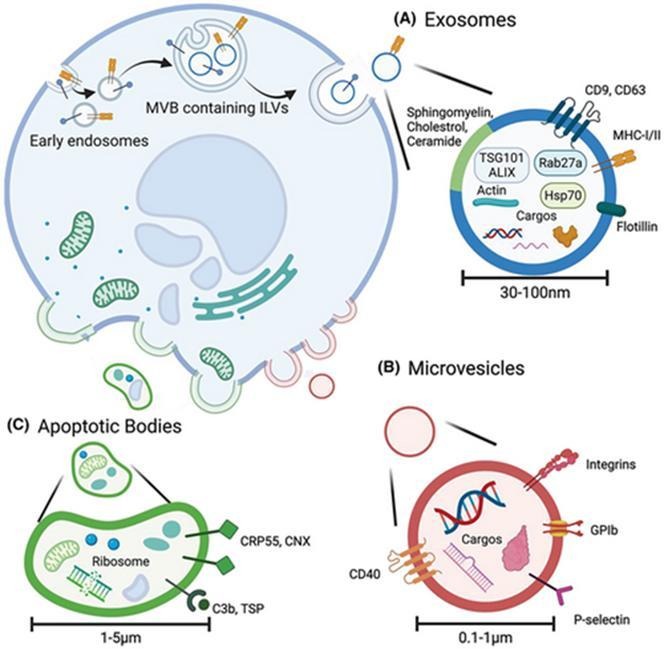
Exosomes are tiny particles released by cells that use cellular signaling particles to enhance healing and collagen production.
👉 Think of them as messengers that help coordinate healing and repair
❓Are exosomes better than PRP? No, PRP is more established and predictable.
Exosomes are biologically active extracellular vesicles that carry proteins, lipids, and RNA, playing a role in cellular communication and tissue repair. Recent dermatology literature confirms that exosomes:
- Influence inflammation
- Promote collagen production
- Support wound healing pathways
❓Are exosomes FDA approved?
No—there are currently no FDA-approved exosome treatments.
❓Do exosomes work?
They may help with healing and skin quality, but results are not consistent.
❓Are they safe?
Safety is still being studied, and products are not standardized.
❓ Can exosomes replace Botox or filler?
No, they work differently and are not substitutes.
But the reality is more nuanced.
❓ Can exosomes be injected?
They can be, but this increases regulatory and safety concerns.
❓ Do exosomes help with hair growth?
Some early studies suggest potential benefits, but evidence is limited.
The Naked Truth: Exosomes are scientifically interesting, but clinically, legally, and in terms of safety, they are still evolving and often misunderstood.
❓Do exosomes actually improve skin quality?
Early clinical and laboratory studies suggest that exosomes may improve: skin texture, acne scars, and sun damage. For example, recent human-based reviews report improvement in skin quality and photoaging when exosomes are combined with microneedling or energy-based devices (stacked treatments). However, these benefits come with an important limitation. Most studies are:
- Small
- Short-term
- Not standardized
A 2025–2026 systematic review concluded that: Results, if any, vary widely. Evidence remains preliminary and inconsistent. Multiple recent reviews emphasize the same issue: Strong preclinical data and limited high-quality human trials. Exosomes show promise in anti-aging and wound healing, but clinical studies are still lacking, and safety concerns remain. More studies are required to validate both efficacy and safety before widespread use.
❓Are exosomes worth it?
Exosomes may offer mild skin benefits when combined with treatments like microneedling, but they are expensive, not FDA-approved, and not proven to outperform established options.
Most current clinical benefits are observed when exosomes are paired with other treatments, such as microneedling or laser resurfacing.
Exosomes vs Other Skin Treatments
| Treatment | FDA Status | Predictability | Best Use |
|---|---|---|---|
| PRP | Accepted | Moderate | Natural collagen |
| Laser | FDA-cleared | High | Skin resurfacing |
| Exosomes | Not approved | Low | Adjunct only |
❓So why is there so much hype on social media if evidence is so limited?
The Rise of Exosomes in Aesthetic Medicine
Exosomes have quickly become one of the most talked-about treatments in med spas and longevity clinics, especially in high-end markets like Newport Beach. Patients see them everywhere:
- Social media
- Celebrity treatments
- Influencer “skin regeneration” posts
They are often described as:
- “The future of anti-aging”
- “Better than PRP”
- “Stem cell skincare”
The media has jumped on this new buzzword because exosomes align with major aesthetic trends:
- Fit the regenerative medicine trend
- Are heavily marketed in aesthetics
- Natural collagen stimulation
- Biohacking and longevity culture
❓Are exosomes safe for skin treatments?
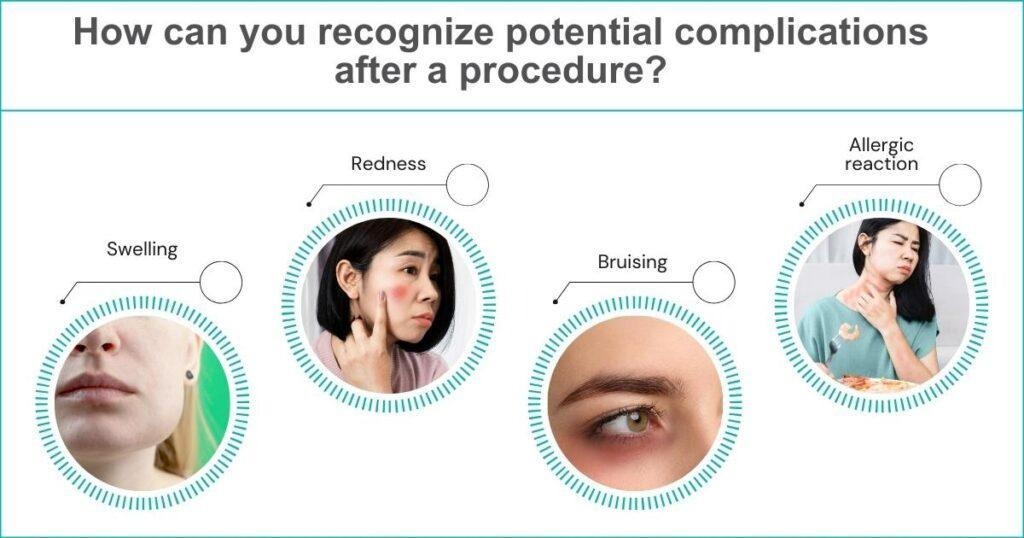
Safety concerns are consistently reported across recent publications. Concerns include infection, inflammation, immune responses, and even potential tumor signaling pathways. The long-term safety is unknown, standardization is lacking, and product variability is significant.
Further research is needed to fully assess safety and long-term outcomes.

Quality of Exosomes: This is A Big Unknown
Many products are not pure exosomes. Some are diluted, others contain mixed biological materials. The products vary in source (human, animal, plant), purity, and potency. There are no standardized quality control systems. Each of these issues has different implications for safety and effectiveness.
Exosomes are not FDA-approved for medspa, cosmetic, or clinical use. This means patients should understand:
- These therapies are considered experimental.
- Standards vary widely between providers.
- Exosomes are classified as biologic products.
- They require formal clinical trials for approval.
- FDA approval ensures:
- Safety validation
- Standardized dosing
- Proven effectiveness
❓Do exosomes help with wellness and anti-aging/longevity? No, there is no clinical evidence supporting lifespan extension, and there are no validated systemic anti-aging outcomes. There is no evidence supporting anti-aging IV therapy, systemic rejuvenation, or longevity benefits. These claims are not supported by current scientific literature.
The Naked Truth: Final Consensus 2026 (Evidence-Based)
| What’s Real | What’s Not |
|---|---|
| ✔️ The science is real. | ❌ Standardization |
| ✔️ The potential is real. | ❌ FDA regulation |
| ❌ Safety data |
Our Clinical Philosophy at Pacific Center for Plastic Surgery & BioSpa®:
We believe in innovation—but never at the expense of safety or honesty.
We guide patients toward:
- Proven treatments first
- Transparent discussions
- Evidence-based decisions
Exosomes may shape the future of aesthetic medicine. But today, they are still experimental, and should be approached with informed caution
References (2022–2026)
Peer-Reviewed & Scientific Literature
Alzahrani, A. et al. (2026) Exosomes in skin rejuvenation: systematic review of efficacy, safety, and mechanisms. Available at: PubMed Central.
Domaszewska-Szostek, A. et al. (2025) Effectiveness of extracellular vesicle application in skin rejuvenation. Available at: PubMed Central.
Haykal, D. et al. (2025) Exosomes in cosmetic dermatology: benefits and limitations. Available at: PubMed.
Mahmoud, R.H. et al. (2025) Exosomes: a comprehensive review for dermatologists. Journal of Clinical and Aesthetic Dermatology.
Rodríguez, J.C.F. et al. (2026) Efficacy of exosome-based therapies for skin rejuvenation: systematic review of human studies. Available at: Cureus.
Rodríguez, J.C.F. et al. (2026) Efficacy of exosome-based therapies in dermatology. Available at: PubMed Central.
Dayel, S.B. et al. (2025) Exosomes in dermatology: emerging roles in skin health and aging. Pharmaceutics.
Dal’Forno-Dini, T. et al. (2025) Exploring the reality of exosomes in dermatology. ScienceDirect.
Ash, M. et al. (2024) Topical exosomes in aesthetic medicine: current landscape and future directions. Aesthetic Surgery Journal Open Forum.
Kumar, N. et al. (2025) Exosomes in cosmetic and aesthetic dermatology: mechanisms and applications. SAGE Journals.
Regulatory & Clinical Position Sources
U.S. Food and Drug Administration (FDA) (2020–2025 updates) Consumer alert on regenerative medicine products including exosomes.
Clinical & Translational Research
Rezaie, J. et al. (2022) Exosomes in clinical trials: challenges and future directions. Cell Communication and Signaling.
MDPI (2025) Exosome-based therapeutics in dermatology and regenerative medicine.
ClinicalTrials.gov (2024–2025) Mesenchymal stem cell-derived exosomes in skin rejuvenation.
Media & Expert Commentary (Contextual Trends)
Allure (2025) Exosomes in skincare: hype vs evidence.
Vogue (2025) Exosome skin care and regenerative aesthetics trends.